The Day My Best Video Died Six months ago, I uploaded what I thought was my masterpiece. It was a 22-minute documentary-style video that I spent four weeks researching, writing, and editing. When I hit publish, the initial metrics were incredible. The Click-Through Rate (CTR) was a massive 12%. The Average View Duration (AVD) was an unprecedented 14 minutes. Based on everything I knew about the YouTube algorithm, this video was destined to go viral. I refreshed the analytics studio, waiting for the algorithmic explosion. I waited on day two. I waited on day three. It never happened. The video flatlined at 4,000 views. I was devastated, frustrated, and completely confused. How could a video with a 12% CTR and 63% retention on a 20-minute timeline just *die*? It defied every rule of YouTube growth I had been taught since 2019. I spent the next three months desperately trying to figure out what went wrong. I audited dozens of channels, spoke to YouTube strategists, and analyzed thousands of data points. What I discovered completely shattered my understanding of the platform. The rules have changed. The era of "Watch Time is King" is officially dead. We have entered the era of the **2026 YouTube Algorithm Update**, where a hidden metric called "Satisfaction Signals" dictates everything. 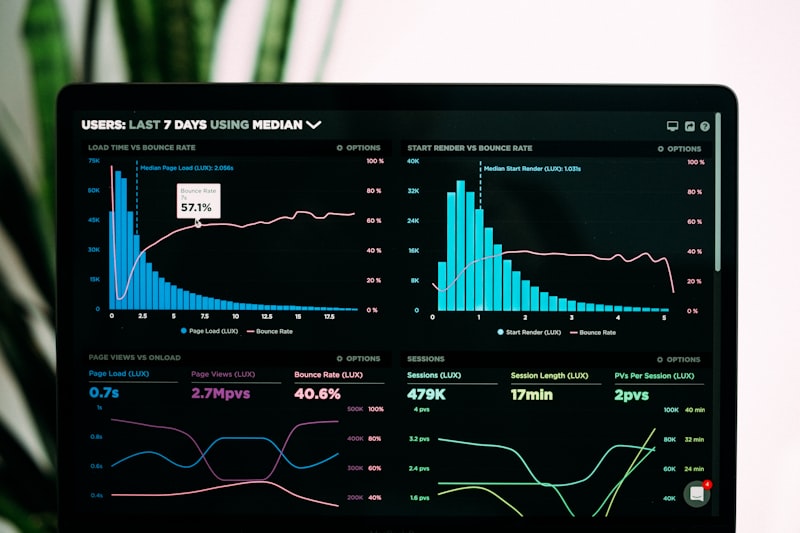 ## Why Watch Time Was Dethroned To understand why the algorithm changed, we have to look at how viewer behavior has evolved. For years, YouTube's primary goal was simple: keep people on the platform as long as possible so they can be shown more ads. The easiest way to measure that was Watch Time. If a viewer watched your video for 15 minutes, YouTube assumed it was a good video. But creators are smart. We learned how to game the system. We started stretching 5-minute explanations into 20-minute sagas. We used endless cliffhangers, excessive B-roll, and slow pacing to artificially inflate our Average View Duration. The result? Viewers were watching longer, but they were leaving the platform *frustrated*. They felt their time was being wasted. YouTube realized that high Watch Time does not necessarily mean high satisfaction. In fact, sometimes the highest Watch Time comes from clickbait videos where the viewer is desperately skipping around trying to find the one piece of information they were promised in the thumbnail. If viewers are frustrated, they eventually close the app and go to TikTok or Netflix. And that is the one thing YouTube cannot allow. ## Enter "Satisfaction Signals" In 2026, the YouTube recommendation system prioritizes **Satisfaction Signals** over raw Watch Time. The algorithm is no longer just asking, *"How long did they watch?"* It is asking, *"How did they feel after they watched?"* But how can an algorithm measure human emotion? It does this through a complex web of active and passive signals. ### 1. The Post-Watch Survey
You have probably seen these. After finishing a video, YouTube occasionally prompts the viewer to rate the video out of 5 stars or asks, "Did you enjoy this video?" These surveys carry massive weight. A video with 40% retention but a 5-star rating will often outrank a video with 60% retention and a 2-star rating. ### 2. The "Action" Metric What does the viewer do immediately after your video ends? - If they click another one of your videos (a binge session), that is a massive positive signal. - If they close the YouTube app entirely, that is a severe negative signal (sometimes called a "session killer"). - If they hit the "Share" button and text it to a friend, that is the holy grail of satisfaction. People do not share videos that waste their time. ### 3. Comment Sentiment Analysis YouTube's AI now actively reads the comments section. It isn't just looking for volume; it is looking for sentiment. If the comments are filled with "this could have been a 2-minute video" or "skip to 8:42 for the actual answer," the algorithm flags the video as low-satisfaction, regardless of the Watch Time. ## The "Information Density" Mandate Because Satisfaction is the new North Star, the most important skill for a creator in 2026 is mastering Information Density. Information Density is the ratio of valuable content to total runtime. If you deliver 10 great tips in 5 minutes, your information density is extremely high. If you deliver those same 10 tips stretched across 20 minutes of rambling, your density is incredibly low. The channels that are exploding in 2026, the ones seemingly immune to algorithmic dips, are the ones that respect the viewer's time ruthlessly. Here is the new playbook for high-satisfaction content: * Cut the Intro: Do not spend 45 seconds asking people to subscribe or explaining what the video is about. They clicked the thumbnail; they know what it is about. Start delivering value in the first 3 seconds. Kill the Fluff: If a sentence does not advance the narrative, teach a lesson, or land a joke, cut it. Deliver the Promise Early: If your thumbnail promises to reveal "The Best Camera for Beginners," do not make them wait until minute 12 to find out. Tell them at minute 2, and spend the rest of the video explaining why it's the best. When you increase your Information Density, your Watch Time might actually decrease slightly (because the video is shorter), but your Satisfaction Signals will skyrocket. And in 2026, Satisfaction is what triggers the algorithm to push your content to millions of new viewers. ## The Death of the "Slow Burn" Thumbnail With the algorithm shifting to satisfaction, your packaging (Title and Thumbnail) needs to evolve as well. In the past, creators used "mystery" thumbnails. They would obscure the main subject to force a click, hoping the viewer would stick around long enough to find out what it was. This strategy is now algorithmic poison. If a viewer clicks expecting one thing and gets something else, they will feel manipulated. Even if they watch the whole video, their Satisfaction Signal will be negative. Your title and thumbnail must make a clear, honest promise, and the first 30 seconds of your video must prove that you are going to deliver on that exact promise. Alignment between the click and the content is everything. If you are struggling to find titles that accurately promise value without resorting to clickbait, use our YouTube Title Generator. It is specifically trained to create high-CTR titles that align with high-satisfaction content structures. ## How to Optimize for the 2026 Algorithm So, how do we practically apply this new understanding? How do we build a channel that the 2026 algorithm loves? 1. Optimize for the Binge: At the end of your video, do not say "Thanks for watching, bye!" That signals the viewer to close the app. Instead, say, "If you struggled with this, you are probably also making [this other mistake]. Click this video right here where I show you how to fix it." Keep them on the platform. 2. Encourage Meaningful Comments: Instead of the generic "comment down below," ask a specific, thought-provoking question related to the core topic. The algorithm reads the depth of the comments, not just the count. 3. Use Pacing to Drive Emotion: Fast editing isn't always the answer. Use pacing to create moments of tension, release, and realization. Satisfaction comes from an emotional journey, not just a barrage of fast cuts. 4. Audit Your Analytics Differently: Stop obsessing over the AVD line graph. Start looking at your "Returning Viewers" metric. If people are coming back to watch your next video, your satisfaction signals are healthy. ## Frequently Asked Questions ### Did YouTube announce they are no longer using Watch Time? No, YouTube never publicly "announces" exact algorithmic weightings to prevent gaming the system. However, senior engineers and Creator Liaisons have explicitly stated in recent interviews that "satisfaction" is now the primary optimization goal, and internal data across thousands of channels confirms that Watch Time alone is no longer enough to trigger broad distribution. ### How do I know if my videos have good "Satisfaction Signals"? You cannot see the raw satisfaction score in YouTube Studio, but you can see the proxy metrics. Look at your "Returning Viewers" chart. If that line is growing, people are satisfied. Also, monitor your "Views from Suggested Videos", when YouTube knows a viewer is satisfied, they heavily suggest your content alongside similar videos. ### Should I make shorter videos now? Not necessarily. The goal isn't to make short videos; the goal is to make videos exactly as long as they need to be. If a topic requires 30 minutes to explain thoroughly and engagingly, make it 30 minutes. If it only requires 4 minutes, do not pad it to 10 minutes just to hit a Watch Time goal. ### Does Click-Through Rate (CTR) still matter? Absolutely. CTR is the gateway. If nobody clicks, nobody can be satisfied. However, a high CTR combined with a low Satisfaction Signal will result in the video dying quickly (which is exactly what happened to my 22-minute documentary). CTR gets them in the door; Satisfaction keeps the algorithm pushing it. ### How can I get viewers to share my videos more often? People share videos for two main reasons: to look smart to their peers (sharing a profound insight) or to share an emotional experience (laughing or crying together). If your video provides a unique "aha!" moment or a deep emotional resonance, explicitly remind them to send it to a friend who might need to hear it. ## Stop Chasing the Algorithm, Start Chasing the Viewer The irony of the 2026 YouTube algorithm update is that it is forcing us to become better creators. By prioritizing Satisfaction over Watch Time, YouTube is effectively saying: Stop trying to hack the machine, and start trying to serve the human. When you sit down to write your next script, do not ask yourself, "How can I keep them watching for 10 minutes?" Ask yourself, "What can I teach them, show them, or make them feel that will make them glad they clicked?" If you get the human psychology right, the algorithm will take care of the rest. If you need help ensuring your metadata perfectly aligns with viewer intent so they don't bounce out of frustration, run your concepts through our YouTube Tag Generator to make sure you are targeting the exact right audience for your content. And if you are struggling to find topic gaps that viewers actually care about, the YouTube Keyword Research Tool can reveal exactly what your niche is begging for. Stop playing the 2023 game. Welcome to 2026.