The Microphone That Cost Me Everything I still remember sitting in my humid, poorly lit garage in late 2023, staring at a $400 Shure SM7B microphone. I had spent two months meticulously planning my "groundbreaking" business podcast. I paid a freelancer on Fiverr for a custom intro track. I spent an entire weekend editing the first three episodes until my eyes burned and my ears were ringing. When launch day finally arrived, I pushed the episodes to Apple Podcasts and Spotify, sat back in my chair, and waited for the magic to happen. I refreshed my analytics every hour. Three weeks later, the dashboard showed a grand total of... 14 downloads. Eight of those were from my mom (bless her), and three were me testing the link to make sure it wasn't broken. I was utterly devastated. I felt like an absolute failure who had just wasted a thousand dollars and hundreds of hours talking into an empty void. I almost quit right there. I boxed up the microphone. But out of sheer desperation, I decided to take the raw video footage from my recording sessions, unedited, slightly color-washed, and definitely not professional, and upload it to a brand new YouTube channel. I didn't even make custom thumbnails. Fast forward six months: one of those raw videos got picked up by the YouTube algorithm. It pulled in 45,000 views in a single weekend. The comments section exploded. People weren't just passively listening while doing the dishes; they were watching, pausing, commenting, arguing, and subscribing. That was the moment I realized everything I knew about podcasting was fundamentally broken. The era of audio-only distribution is effectively dead for new creators. If you want to grow a podcast today, you need a dedicated **YouTube video podcast strategy**. In 2026, YouTube isn't just a video platform; it is the most powerful podcast discovery engine on the planet. If you are struggling to get your voice heard and are tired of shouting into the algorithmic abyss of traditional audio apps, here is the exact blueprint to rank, grow, and monetize a video podcast this year. 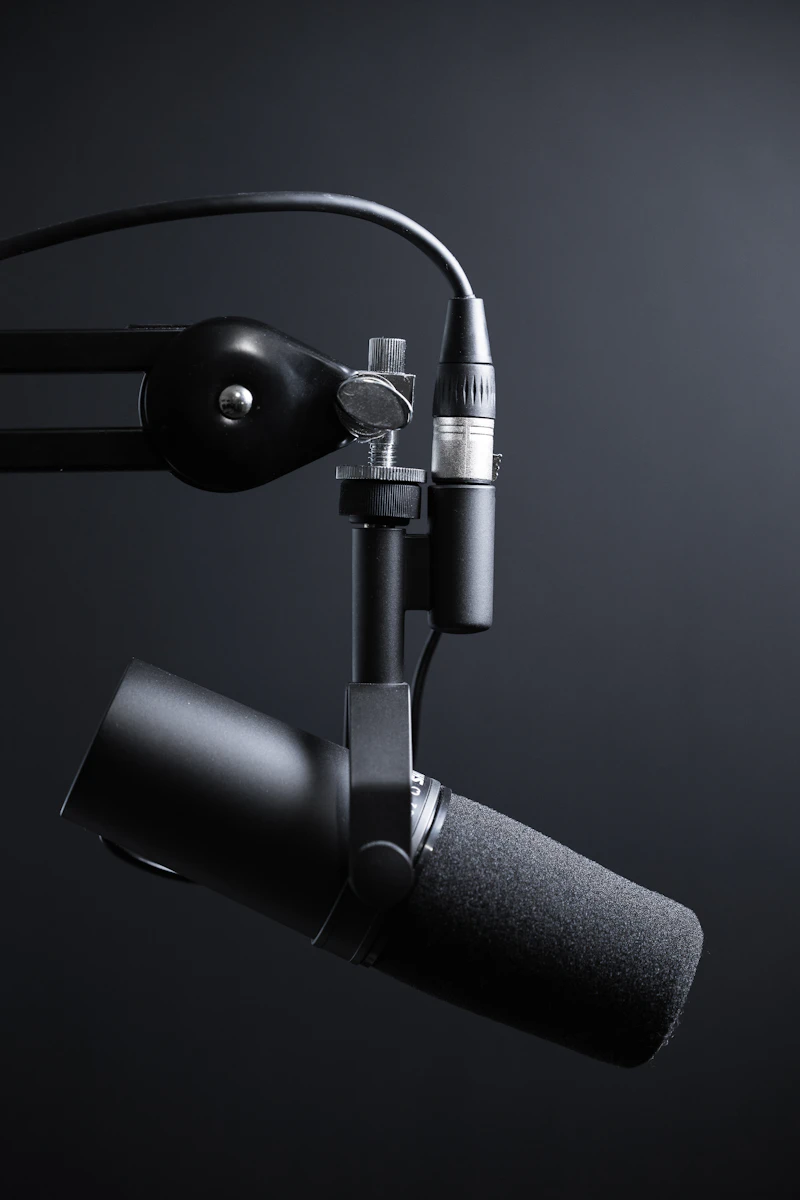 ## Why YouTube Won the Podcast Wars (And How to Capitalize) Let's address the elephant in the room. Why did YouTube absolutely crush traditional RSS feed platforms like Apple and Spotify when it comes to podcast discovery? The answer is simple, yet most podcasters miss it entirely: **Algorithmic recommendation.** When you upload an audio file to Apple Podcasts, the only way someone finds it is if they actively search for your exact name or scroll through the top 100 charts (which are exclusively dominated by celebrities and massive media networks). There is virtually zero organic discovery. It is essentially a closed ecosystem where the rich get richer and small creators remain invisible. YouTube, on the other hand, is built from the ground up to connect viewers with content they didn't even know they wanted to watch. The YouTube home page and the "Up Next" sidebar are hyper-optimized by billions of data points to serve your podcast to people who have watched similar content. If you publish an hour-long conversation about real estate investing in Austin, Texas, YouTube knows exactly which viewers have been binging real estate content all week. It actively places your thumbnail right on their homepage. in addition, in 2026, YouTube has completely integrated podcasts into YouTube Music and the main app. They've created dedicated "Podcasts" tabs in YouTube Studio and actively push podcast playlists. By uploading a video podcast, you are feeding the most powerful machine learning algorithm in the world exactly what it needs to find your ideal audience for you. To fully understand how this algorithm distributes long-form content, check out our guide on [how to grow a YouTube channel from zero](/blog/how-to-grow-youtube-channel-from-zero). ## The Visual Element: Setting Up Your Video Podcast for Retention A massive, channel-killing mistake creators make is treating YouTube like a dumping ground for static audio. You cannot simply upload an MP3 with a static image of your logo and expect it to rank. YouTube is a highly visual platform, and audience retention is tied directly to what is happening on the screen. ### The "Dynamic Studio" Setup
You do not need a massive Hollywood set, but you do need visual appeal. Invest in a two-camera setup if possible. Even a modern smartphone paired with a basic 1080p webcam can work wonders. Why? Because switching camera angles every 30 to 60 seconds completely resets the viewer's visual attention. It breaks the monotony and prevents them from clicking away to watch a fast-paced vlog. ### Lighting Always Beats Cameras I would rather watch a podcast shot on a five-year-old iPhone with excellent lighting than a podcast shot on a $5,000 RED cinema camera in a dark, muddy, poorly lit room. Buy a cheap key light and a colorful LED backlight to create depth in your background. If you want people to look at you for an hour, you must make the environment visually pleasing. ### Show, Don't Just Tell If you are talking about a specific website, an angry tweet, or a complex financial graph, edit it into the video. Bring it up on the screen in real-time. This transforms your podcast from a passive listening experience into an active, engaging show. The longer you keep viewers glued to the screen, the higher your Average View Duration (AVD) climbs, which signals YouTube to push your content to millions more. Want to master these crucial retention metrics? Read our deep dive on increasing YouTube audience retention. ## The "Micro-Clip" Blueprint: Hijacking the Shorts Algorithm Here is the secret weapon for video podcasts in 2026: You do not grow a podcast by aggressively promoting the full 2-hour episodes. You grow a podcast by promoting the best 60 seconds. Let's be honest, nobody is going to commit an hour of their precious time to a creator they have never heard of. But they will gladly watch a 45-second YouTube Short while waiting in line for coffee, especially if the hook is intriguing enough. ### How to Execute the Clip Strategy: 1. Record the Full Episode: Let's say you record a fantastic 45-minute interview with an industry expert. 2. Identify the "Golden Moments": Find the 5 to 10 moments where a highly emotional, controversial, or deeply educational point was made. These are the moments that make people gasp, laugh, or think deeply. 3. Chop into Vertical Video: Edit these moments into vertical (9:16) aspect ratio clips. Add aggressive, dynamic captions (because over 70% of people watch Shorts on mute). 4. Link Back to the Full Video: In 2026, YouTube allows you to link a Short directly to a long-form video via the "Related Video" feature. This is the absolute holy grail of podcast growth. When a viewer watches your Short, gets hooked, and wants context for that amazing 60-second clip, they tap the related video link and are instantly teleported into your full episode. You are essentially using the high-virality, low-barrier-to-entry Shorts algorithm as a massive top-of-funnel magnet to feed your long-form podcast. This strategy is exactly how the biggest podcasters exploded from obscurity to millions of subscribers. It requires absolutely no extra recording time, just smart, intentional editing. ## SEO Mastery for Video Podcasts Unlike traditional audio platforms, YouTube is the world's second-largest search engine. This means your video titles, descriptions, and tags are absolutely critical for ranking, especially in the early days before the recommendation algorithm fully understands your channel. ### The Curiosity-Driven Title Formula Do not name your podcast episode "The John Smith Podcast Episode #45: Marketing Tips." Nobody is searching for that. It is boring, repetitive, and gives no reason to click. Instead, use a highly searchable, curiosity-driven title. Name the video after the single most interesting topic discussed in the episode. For example: "Why 99% of Marketing Fails in 2026 (According to John Smith)" or "The Brutal Truth About Real Estate Investing No One Tells You." ### Chapters and Timestamps This is non-negotiable for long-form content. You absolutely must include timestamps in your YouTube description. Not only does this break your video into neat, skimmable chapters on the timeline, which viewers love, but Google Search actually indexes these chapters. If someone searches for a specific question you answered at the 22-minute mark, Google will literally show your video in the search results and start it exactly at that timestamp. It is free SEO traffic. ### The Ultimate Keyword Description The first two lines of your description are critical because they show up in search results. Write a compelling summary that naturally includes your primary keywords. Below that, include links to your guest's socials, your gear, and a summary of the topics discussed. Do not neglect your tags. While YouTube says tags play a smaller role than they used to, they are still vital for long-form, highly specific conversational content to help the algorithm categorize your niche correctly. You should be filling out the 500-character tag limit with highly relevant, long-tail keywords. ## Monetizing the Video Podcast Ecosystem Once your video podcast gains traction, the monetization opportunities absolutely dwarf what you can make on audio alone. Traditional audio podcasts rely heavily on CPM-based sponsor reads, which usually require 10,000+ downloads per episode to make decent money. It takes years to reach that level. With a YouTube video podcast, you access multiple lucrative revenue streams from day one: 1. Google AdSense: You get paid automatically for the pre-roll and mid-roll ads YouTube places on your videos. Long podcasts can have multiple mid-roll ads inserted organically during natural pauses, driving your RPM (Revenue Per Mille) through the roof. 2. Visual Sponsorships: A brand integration on a video podcast is worth significantly more to advertisers than an audio read. You can physically hold the product, share your screen to show how the software works, and place the brand's logo on a prop on your desk. Brands pay premium rates for visual real estate. 3. Channel Memberships & Super Chats: If you live-stream your podcast recordings, you can generate massive revenue from Super Chats and exclusive community memberships, allowing fans to support you directly. 4. Affiliate Marketing: You can place affiliate links for the exact camera, microphone, and lighting you use right in your description. Since your audience is visually looking at your high-quality setup, they are highly likely to click and buy those products. If you are a smaller channel looking to secure your first brand deal before you hit massive subscriber numbers, read our complete guide on YouTube sponsorships for small channels. ## Frequently Asked Questions ### Do I need to stop uploading to Apple Podcasts and Spotify? Absolutely not! You should distribute your audio everywhere. But treat YouTube as your primary growth engine and top priority. Use a podcast host to push the audio to Spotify and Apple automatically, but put your main marketing effort, custom thumbnail design, SEO optimization, and community building into the YouTube video version. ### What is the best length for a video podcast on YouTube? There is no strict rule, but the data in 2026 shows that 45 to 90 minutes is the optimal sweet spot. This is long enough to dive deep into a topic and trigger massive watch-time metrics, but not so long that new viewers are too intimidated to click. The most important metric is retaining viewers, regardless of the runtime. ### Can I just use Zoom to record my remote video podcast? You can, but it is not ideal for visual retention. Zoom compresses video quality heavily to save bandwidth, and the layout looks very corporate and unappealing. Try using modern browser-based recording studios like Riverside.fm or SquadCast, which record uncompressed local 4K video and high-quality audio directly on the guest's machine before uploading. ### Should I put my podcast on my main channel or start a brand new one? If your podcast is highly related to your main channel's niche, absolutely put it on your main channel. YouTube's algorithm is smart enough to handle different formats on the same topic. However, if your main channel is about video game let's plays and your podcast is about personal finance, you must start a new channel to avoid confusing the algorithm and destroying your overall click-through rate. ### How do I design a high-converting thumbnail for a podcast? Avoid generic photos of two people sitting at microphones looking blankly at each other. Your thumbnail should highlight the raw emotion or the core revelation of the episode. Use tight close-ups of the guest's face showing an extreme emotion (shock, anger, excitement), paired with 3-4 words of massive text that tease the most controversial or interesting topic discussed. ## Stop Broadcasting Into the Void That agonizing, soul-crushing feeling of publishing content you worked so hard on and hearing nothing but crickets? You do not have to experience that anymore. By shifting your strategy away from audio-only apps and embracing a visually engaging, algorithmically optimized YouTube video podcast, you are no longer relying on blind hope. You are tapping into a brilliantly designed system engineered to find the exact people who desperately want to hear what you have to say. But remember, the most profound, life-changing podcast in the world will not get a single click if the packaging is wrong. To ensure your podcast episodes actually rank in search and get clicked when they appear on the homepage, use our free YouTube Title Generator to craft irresistible hooks. And don't forget to optimize your backend metadata so the algorithm knows exactly who your audience is by using our YouTube Tags Generator. Stop waiting for Apple Podcasts to feature you. Turn on the camera, hit record, and let the algorithm do the heavy lifting. Your audience is waiting.